
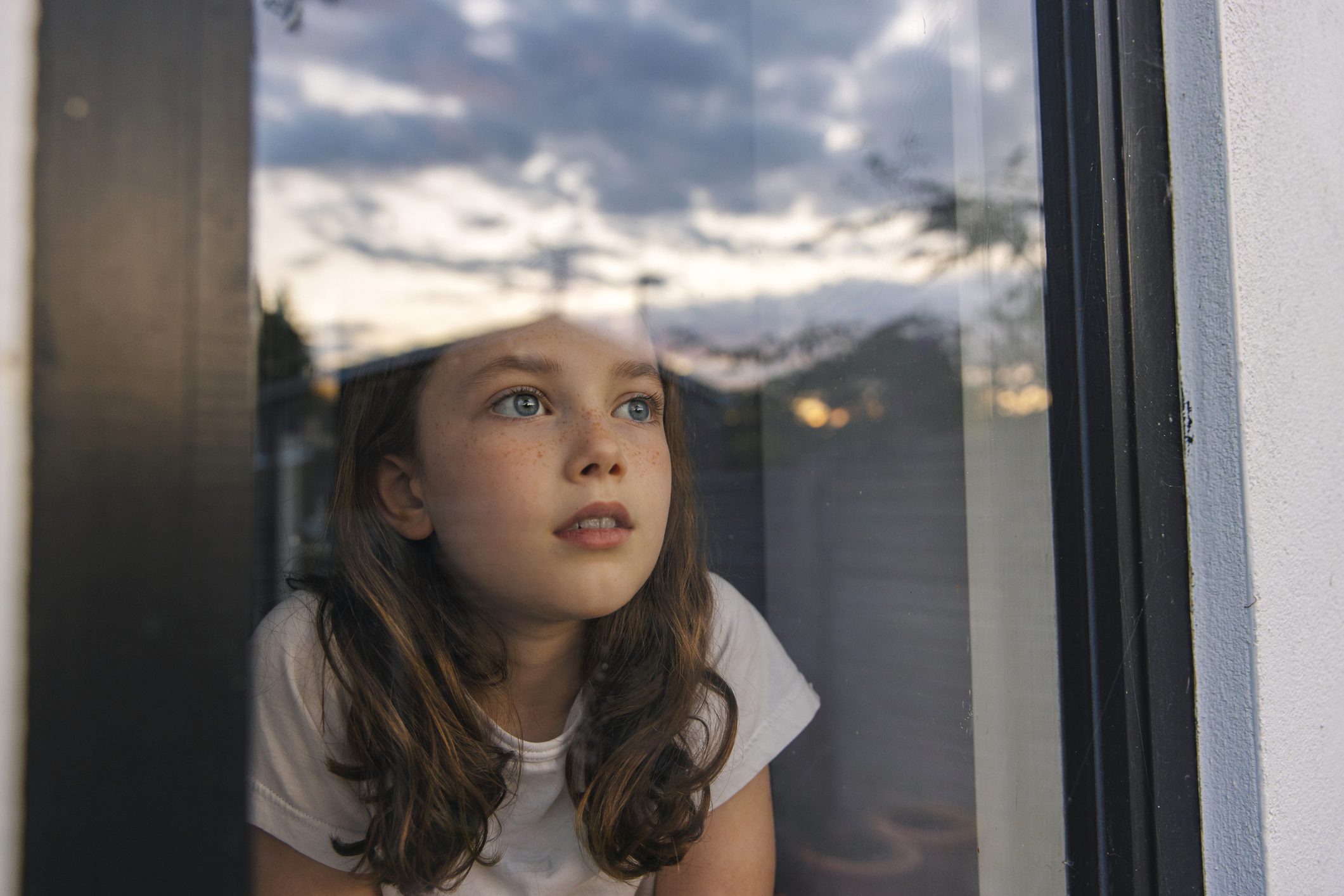
Understanding the mental health of children is extremely important for promoting their overall development and ensuring their well-being. As caregivers, whether they are parents, teachers or guardians, it is vital to be aware of the various warning signs that may indicate the presence of mental illness. Early recognition of these signs can lead to timely and effective intervention, which can significantly impact a child’s life in a positive way. By addressing mental health concerns early on, caregivers can help children face challenges more effectively and support their emotional and psychological growth.
What is Children’s Mental Health?
Children’s mental health refers to the emotional, psychological and social well-being of children. It affects how they think, feel and act, and it plays a role in how they handle stress, relate to others and make choices. Like adults, children can also experience mental health issues, which can impact their daily life, learning and development.
Common Childhood Mental Disorders
Several mental disorders can affect children, each with its own set of symptoms and challenges. Some of the most common include:
- Attention-Deficit/Hyperactivity Disorder (ADHD): Characterized by hyperactivity, impulsivity and difficulty maintaining attention
- Anxiety Disorders: Including generalized anxiety, separation anxiety and social anxiety
- Depression: Persistent sadness, loss of interest in activities and changes in appetite or sleep
- Autism Spectrum Disorder (ASD): A developmental disorder affecting communication and behavior
- Oppositional Defiant Disorder (ODD): Frequent and persistent patterns of anger, irritability, arguing and defiance toward authority figures
Understanding these conditions can help in recognizing early warning signs and getting appropriate help.
Spotting the Warning Signs
Recognizing the warning signs of mental illness in children can be quite challenging for parents and caregivers. This difficulty arises because the symptoms often manifest differently than they do in adults. For instance, while an adult may express their struggles verbally, a child might display changes in behavior or emotions instead. This is why being observant and aware of any noticeable changes in a child’s behavior, mood or social interactions can be so beneficial. By paying close attention to these signs, caregivers can better understand the child’s emotional state and seek appropriate support if necessary.
Behavioral Changes
- Withdrawal: Avoiding friends, family and social activities
- Drop in School Performance: A sudden decline in grades or loss of interest in school
- Outbursts: Frequent tantrums, irritability or aggressive behavior
- Difficulty Concentrating: Trouble focusing on tasks or following instructions.
Emotional Changes
- Persistent Sadness: Consistently appearing sad or tearful
- Anxiety: Excessive worry or fear that interferes with daily activities
- Mood Swings: Rapid and extreme changes in mood
- Expressions of Hopelessness: Talking about feeling worthless or having no reason to live.
Physical Symptoms
- Changes in Eating or Sleeping Patterns: Significant weight gain or loss, or trouble sleeping
- Unexplained Aches and Pains: Physical complaints without a clear medical cause
When to Seek Help
If you notice any warning signs persisting for more than a few weeks, or if they are impacting your child’s daily life, it may be time to seek professional help. Early intervention is crucial for effective treatment and can prevent more severe issues later.
Where to Find Help
There are several avenues to explore when seeking help for a child’s mental health.
- Pediatricians: They can provide initial assessments and refer you to specialists.
- School Counselors: Often trained to identify mental health issues and can offer support and resources.
- Children’s Mental Health Services: Specialized services that provide assessment, counseling and treatment for various childhood mental disorders.
- Children’s Mental Health Hospitals: Facilities that offer comprehensive care for severe cases needing intensive treatment.
Treatment Options
Understanding the available treatment options can help you make informed decisions about your child’s care.
Therapy and Counseling
A common treatment for childhood mental disorders is therapy, which can be conducted individually, with a family or in groups. Common approaches include:
- Cognitive Behavioral Therapy (CBT): Focuses on changing negative thought patterns and behaviors
- Play Therapy: Uses play to help children express emotions and resolve psychological issues
- Family Therapy: Involves family members in treatment to improve communication and resolve conflicts
Medication
In some cases, medication may be prescribed to help manage symptoms. It’s important to discuss the potential benefits and side effects with a healthcare provider.
Lifestyle Changes and Support
Incorporating healthy lifestyle changes can support mental health treatment. Encourage regular physical activity, a balanced diet and adequate sleep. Providing a supportive and understanding environment at home is equally crucial.
Practical Advice for Caregivers
- Stay Informed: Learn about your child’s condition and the available treatment options.
- Communicate Openly: Encourage your child to talk about their feelings and listen without judgment.
- Create a Routine: Consistent daily routines can provide a sense of stability and security.
- Reach Out for Support: Join support groups for caregivers to share experiences and gain insights.
Children’s mental health is a vital aspect of their overall development, and recognizing the warning signs of mental illness early can lead to effective intervention and support. By understanding the common disorders, being vigilant about changes in behavior and emotions, and seeking appropriate help, caregivers can make a significant difference in a child’s mental well-being. Remember, early intervention and informed care are key to ensuring that children lead healthy, happy lives.
Find Mental Health Treatment That Is Right for You
Clive Behavioral Health in Iowa offers both inpatient and outpatient programming to help adolescents with a behavioral health disorder or co-occurring disorders.
Call 844-680-0504 to schedule an assessment
